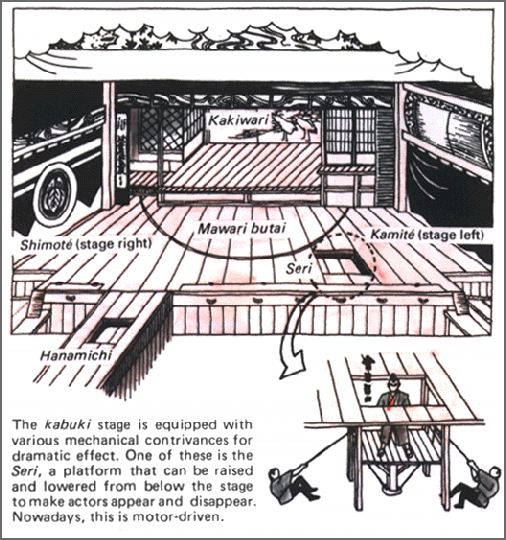
Kabuki is a classical Japanese theater that is most famous for it’s unique makeup, colorful clothing and mysterious stages. The plays were performed in theatres, brothels, teahouses and bathhouses which often lasted 4 to 5 hours.Townspeople comprised most of the audience but merchants, monks, workers and servants also attended. A well known, “trademark of Kabuki is the extravagant makeup style called kumadori that is,” painted onto the performers faces in a specific pattern called Suji-kuma (Hays). There are about 100 different styles of the “masklike” designs that are used to symbolize the characteristics of the actors. The Kabuki costumes are made with crazy colors in order, “to heighten the drama of the performance,” (Hays). While the costumes used during the Edo period were often based off the current trends, the historical plays used brocade robes and large wigs (Hays). Kabuki plays were performed on specific stages that always had trap doors, a revolving stage, and a footbridge or Hanamichi, that extended out into the audience, allowing the characters to interact with the crowd. The stages also had several “platforms that can be raised and lowered from beneath the stage,” in order to, “make actors appear and disappear,” (Hays).
3)
4) 8)

Performances